

Sliding vs. Casement Windows: Which Is Right for Your Home?
Compare sliding vs casement windows to find the best fit for your home. Explore their pros, cons, energy efficiency, ventilation, and security features to make an informed decision.
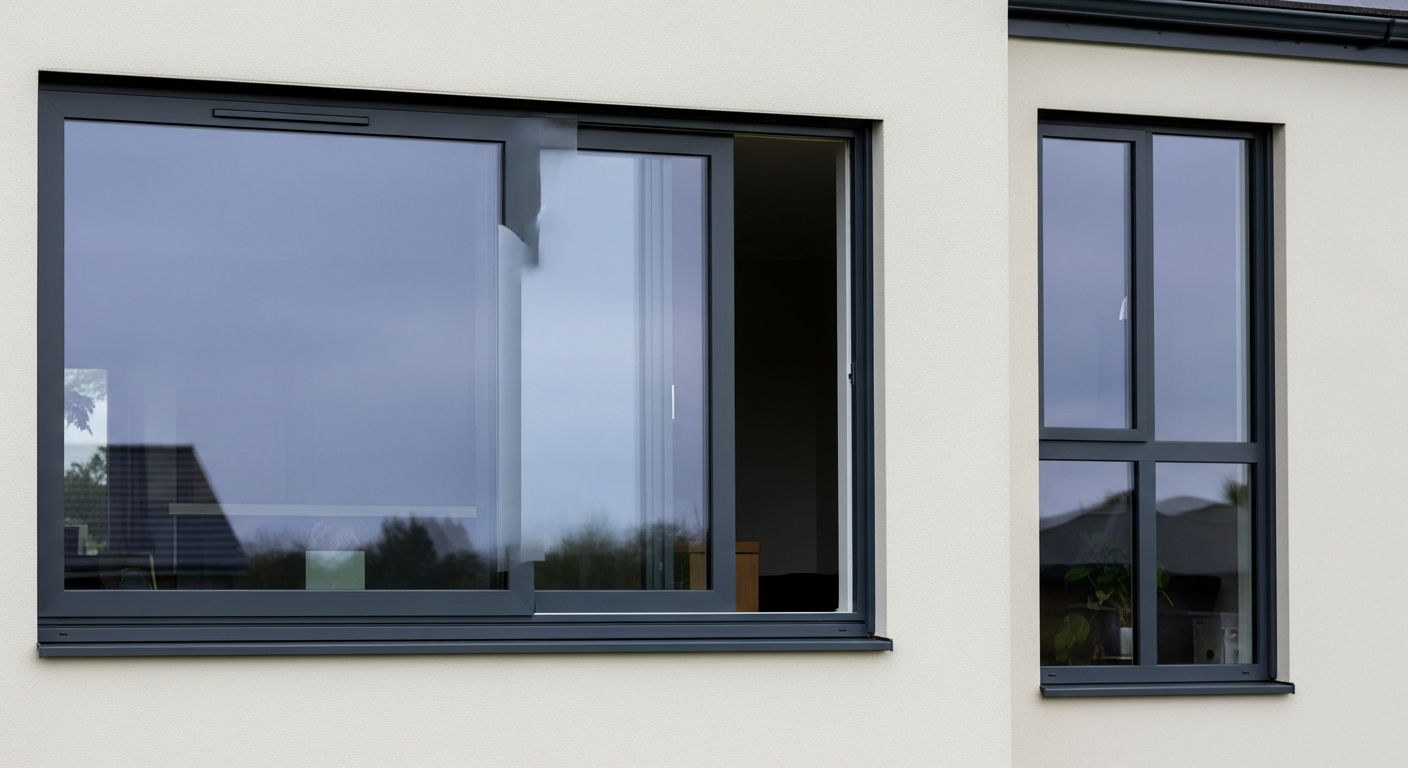
Sliding vs. Casement Windows: Which Is Right for Your Home?
When it comes to upgrading or installing new windows, homeowners are often faced with a myriad of choices. Among the most popular options are sliding windows and casement windows, each offering distinct advantages and disadvantages. Understanding the fundamental differences between sliding vs casement windows pros and cons is crucial for making a decision that aligns with your home's aesthetics, functional needs, and budget. This guide will help you navigate the features, benefits, and drawbacks of both styles.
Sliding Windows: An Overview
Sliding windows operate by gliding horizontally along a track, with one or more sashes moving past a fixed pane. They are a classic choice, known for their simplicity and panoramic views.
The Advantages of Sliding Windows
- Space-Saving Design: Because they open without protruding outward, sliding windows are ideal for areas with limited exterior space, such as near walkways, patios, or landscaping.
- Ease of Operation: Sliding windows are generally easy to open and close, requiring minimal effort. This makes them a great option for hard-to-reach spots or for individuals who might find crank-style windows challenging.
- Cost-Effectiveness: Often, sliding windows are more budget-friendly than casement windows, making them an attractive option for large-scale projects or those with tighter financial constraints.
- Unobstructed Views: Their wide, horizontal orientation often allows for expansive, clear views of the outdoors.
The Disadvantages of Sliding Windows
- Limited Ventilation: Sliding windows typically open to only 50% of their total width, which can limit the amount of fresh air that enters the room compared to windows that open fully.
- Potential for Less Air Sealing: Due to their sliding mechanism, it can be challenging to achieve as tight an airtight seal as with casement windows, potentially leading to less energy efficiency if not properly installed and maintained.
- Cleaning Challenges: The exterior of fixed panes can sometimes be difficult to clean, especially on upper floors.
- Track Maintenance: Tracks can accumulate dirt and debris, requiring regular cleaning to ensure smooth operation.
Casement Windows: Key Features
Casement windows are hinged on one side and open outward, typically operated by a crank handle. They are often chosen for their elegant appearance and superior performance.
The Advantages of Casement Windows
- Excellent Ventilation: Casement windows open fully, often up to a 90-degree angle, allowing for maximum airflow and excellent ventilation. They can also scoop in breezes, directing air into your home.
- Superior Energy Efficiency: When closed, casement windows press firmly against the frame, creating an exceptionally tight seal. This makes them highly energy-efficient and effective at preventing air leakage, contributing to lower heating and cooling costs.
- Enhanced Security: The crank mechanism and multi-point locking systems often found on casement windows make them more difficult to force open from the outside, offering superior security.
- Easy Cleaning: Many casement windows can be cranked open wide enough to allow for easy cleaning of both sides of the glass from inside your home.
- Modern Aesthetics: Their sleek, clean lines complement a variety of architectural styles, from traditional to contemporary.
The Disadvantages of Casement Windows
- Outward Swing: The outward swing can be an issue in certain locations, such as directly adjacent to busy walkways, patios, or in areas where landscaping might be obstructed.
- Limited Size: Due to the stress on the hinges, casement windows typically cannot be as wide as sliding windows, limiting the size of individual panes.
- Higher Cost: Generally, casement windows tend to be more expensive than sliding windows, both in terms of initial purchase and installation.
- Screen Placement: Screens are typically placed on the inside, which can sometimes interfere with window treatments.
Deciding Factors: Sliding vs. Casement
To make the best choice between sliding vs casement windows pros and cons for your home, consider these key factors:
Energy Efficiency and Climate
If you live in an area with extreme temperatures or high winds, the superior airtight seal of casement windows can significantly improve your home's energy efficiency. Sliding windows, while still capable of good insulation, might not offer the same level of seal.
Ventilation and Airflow
For rooms that require maximum fresh air and cross-ventilation, casement windows are the clear winner. Their ability to open fully and direct breezes makes them ideal for kitchens, bathrooms, and bedrooms.
Space, Aesthetics, and Operation
Consider the space around your windows. If you have exterior obstructions or prefer a minimalist look that doesn't protrude, sliding windows are excellent. For a more traditional or elegant aesthetic, and where outward swing isn't an issue, casement windows offer a sophisticated touch with effortless crank operation.
Security and Maintenance
For enhanced security, casement windows often provide a more robust locking mechanism. In terms of maintenance, sliding windows require regular track cleaning, while casement windows may need occasional lubrication of the crank mechanism.
Conclusion: Making Your Window Choice
Ultimately, the decision between sliding vs. casement windows boils down to your specific priorities, architectural style, and local climate. Both offer distinct benefits and drawbacks. Sliding windows excel in ease of operation, cost-effectiveness, and unobtrusive design, making them a great choice for wide views and tight exterior spaces. Casement windows stand out for their superior energy efficiency, excellent ventilation, and enhanced security. By carefully weighing the pros and cons of sliding vs casement windows against your individual needs, you can select the perfect windows to enhance the comfort, beauty, and value of your home.