

Aluminum vs PVC Window Systems Comparison: Which is Right for You?
Exploring the ultimate aluminum vs pvc window systems comparison? We break down energy efficiency, durability, and cost to help you choose the best windows.
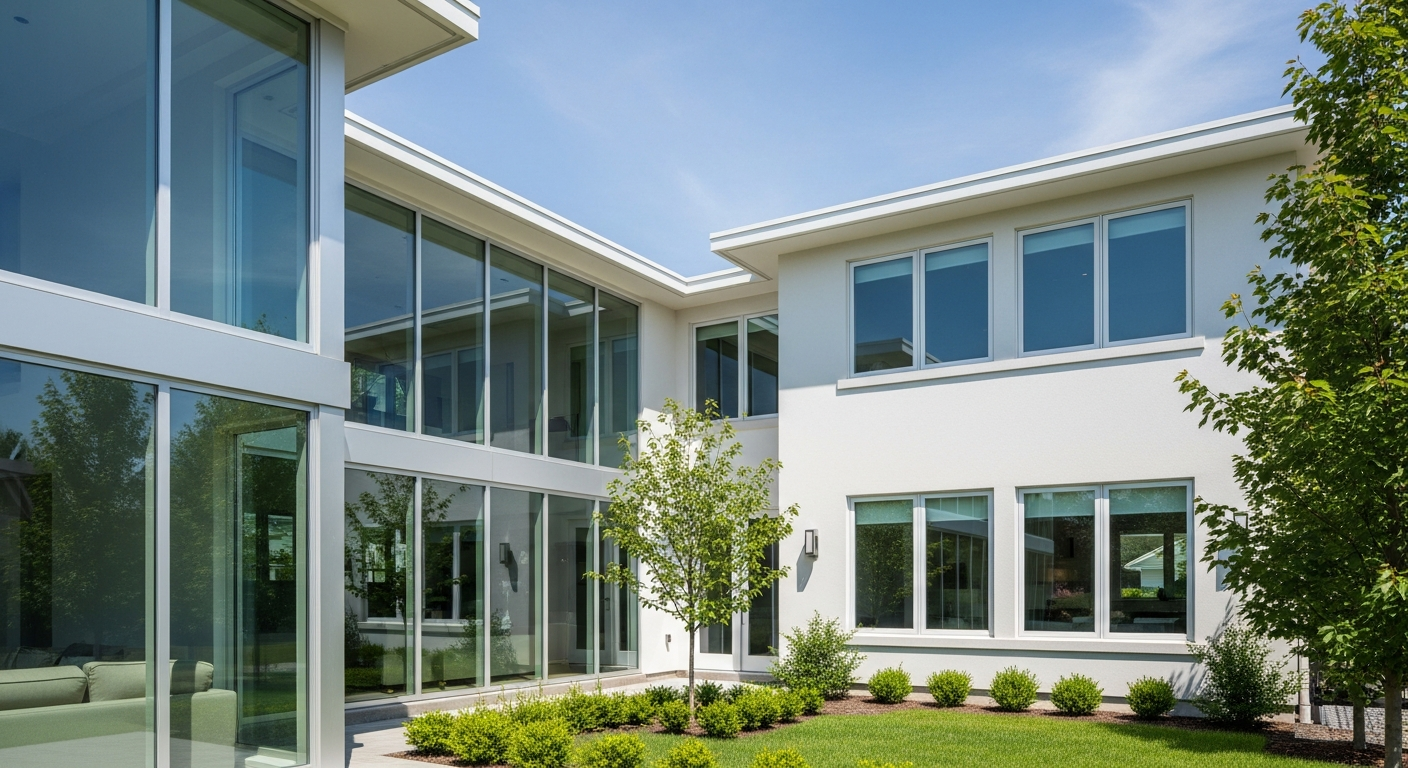
Choosing the right windows for a new build or a renovation project can be a daunting task. With so many materials on the market, homeowners and architects often find themselves torn between two of the most popular options. An in-depth aluminum vs pvc window systems comparison is essential to understand which material aligns with your design vision, energy goals, and budget.
Understanding the Basics: Aluminum and PVC Windows
Before diving into the detailed comparison, it is important to understand what each material brings to the table. Both materials have evolved significantly over the years, particularly with the introduction of passive house standards.
Passive Aluminium Windows
Modern aluminum windows are no longer the drafty, cold frames of the past. Egelux's Passive Aluminium windows, for instance, utilize advanced thermal break technology. This means a non-conductive material separates the interior and exterior metal profiles, drastically reducing heat transfer while offering the sleek, ultra-slim sightlines favored in contemporary architecture.
Passive Plastic (PVC) Windows
PVC, or unplasticized polyvinyl chloride, is a staple in the window industry. Known for its incredible insulation properties and cost-effectiveness, PVC has remained a top choice. Egelux's Passive Plastic systems offer multi-chambered profiles that trap air, providing excellent thermal insulation that easily meets passive house requirements.
Aluminum vs PVC Window Systems Comparison: Key Factors
To make the best decision for your property, let us break down the fundamental differences between these two high-performance systems.
1. Durability and Lifespan
Aluminum is inherently strong and highly resistant to the elements. It does not warp, crack, or swell, even in extreme temperatures. A high-quality powder-coated aluminum window can last 40 to 50 years with minimal maintenance. PVC windows are also highly durable and rot-resistant, typically lasting between 20 to 30 years. While PVC requires very little maintenance, it can be susceptible to slight warping or discoloration over decades of extreme UV exposure, whereas aluminum holds its structural integrity indefinitely.
2. Energy Efficiency and Thermal Insulation
Historically, PVC was the undisputed champion of energy efficiency due to plastic's natural insulating properties. The multi-chambered design of Egelux's Passive Plastic windows prevents heat from escaping, making them incredibly energy-efficient. However, the gap has closed. Thanks to cutting-edge thermal breaks, Egelux's Passive Aluminium systems now offer comparable U-values, meaning both options can effectively keep your home warm in the winter and cool in the summer.
3. Aesthetics and Sightlines
If you are aiming for a modern, minimalist look with expansive panes of glass, aluminum is the superior choice. Its structural strength allows for thinner frames (sightlines), maximizing natural light and offering unobstructed views. PVC frames generally need to be thicker to support the weight of heavy double or triple glazing. While PVC is available in various colors and woodgrain finishes, aluminum offers a premium, sleek metallic finish that architects love.
4. Cost and Investment
When conducting an aluminum vs pvc window systems comparison, budget is often a deciding factor. Generally, PVC windows are more budget-friendly. They offer an excellent return on investment through energy savings at a lower initial price point. Aluminum windows are considered a premium product, and their manufacturing process makes them more expensive upfront. However, their extended lifespan and value-adding aesthetics can offset the initial cost over time.
Which Window System is Right for You?
The choice between aluminum and PVC ultimately depends on your specific project needs.
- Choose Passive Plastic (PVC) if: You are looking for maximum energy efficiency on a tighter budget, prefer a traditional or classic home style, and want a virtually maintenance-free solution.
- Choose Passive Aluminium if: You are designing a modern or high-end architectural home, want ultra-slim frames with large glass panels, and are willing to invest more for a longer-lasting, premium material.
Conclusion
Both materials offer exceptional benefits for the modern homeowner. By weighing this aluminum vs pvc window systems comparison, you can confidently select the right frames for your project. Whether you lean toward the structural elegance of Egelux's Passive Aluminium or the outstanding value and insulation of our Passive Plastic windows, you are investing in comfort, durability, and style.