

How to Maintain PVC Sliding Doors for Smooth Operation and Longevity
Keep your PVC sliding doors gliding effortlessly with our comprehensive maintenance guide. Learn how to clean tracks, lubricate components, and ensure lasting smooth operation and durability.
PVC sliding doors are a popular choice for homeowners, offering excellent energy efficiency, abundant natural light, and a seamless connection to outdoor spaces. Their robust construction promises years of reliable service, but like any frequently used home feature, they require periodic attention. Proper maintenance is the key to preserving the smooth operation and longevity of your PVC sliding doors, preventing common issues, and ensuring they remain a valuable asset to your home.
Why Regular PVC Sliding Door Maintenance is Crucial
Ignoring the upkeep of your PVC sliding doors can lead to a host of problems, from sticky tracks to stiff rollers, ultimately affecting their functionality and aesthetic appeal. Regular maintenance not only addresses these issues proactively but also safeguards your investment.
Preventing Common Issues
Without routine care, debris can accumulate in tracks, rollers can stiffen, and hardware can wear down. This can result in your doors becoming difficult to open or close, making annoying grinding noises, or even sustaining costly damage over time. Consistent maintenance ensures the mechanisms work as intended, promoting a consistent, smooth operation.
Preserving Aesthetic Appeal
Beyond functionality, well-maintained PVC sliding doors contribute significantly to your home’s curb appeal. Keeping the frames clean and glass sparkling ensures they always look their best, enhancing the overall beauty of your living space.
Step-by-Step Guide to Maintaining Your PVC Sliding Doors
A few simple steps, performed regularly, can make a significant difference in the performance and lifespan of your PVC sliding doors.
Cleaning the Tracks
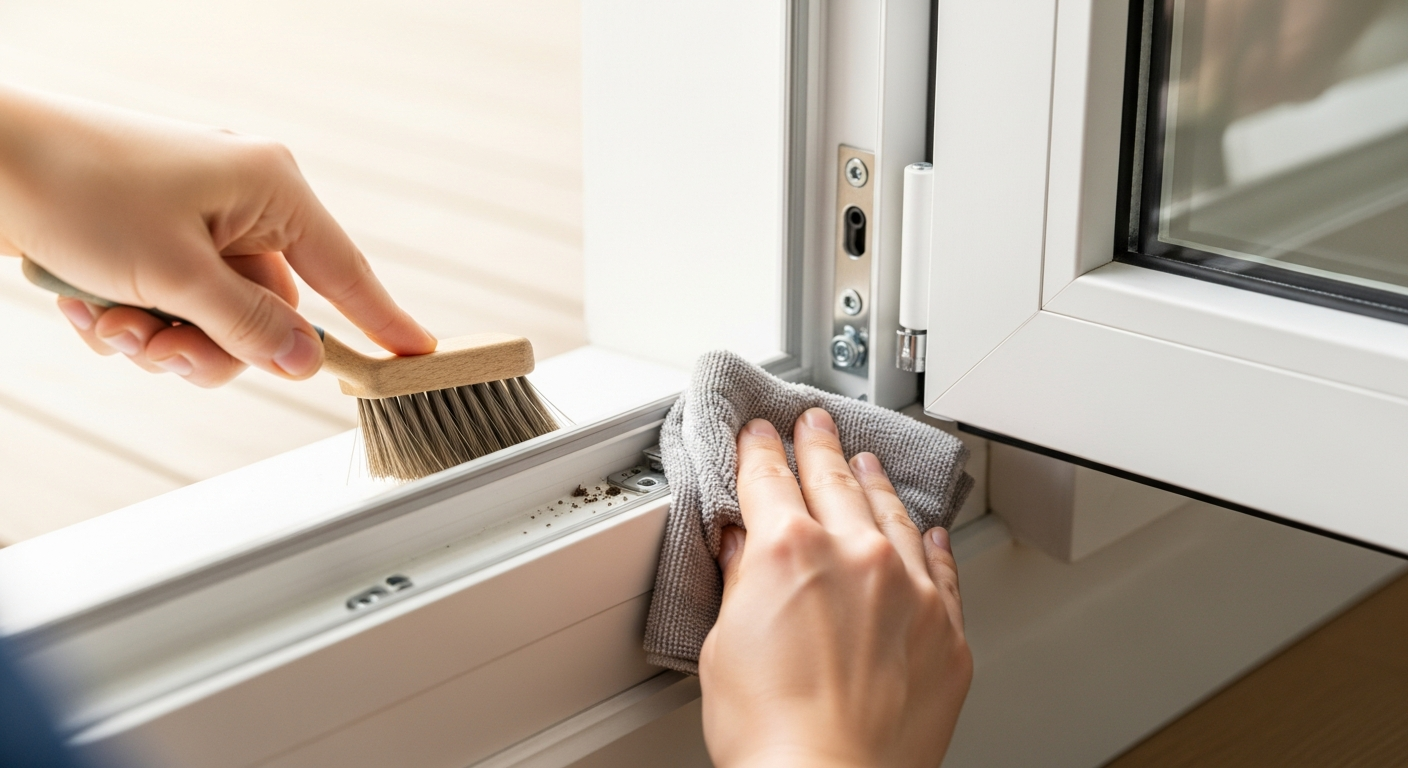
The tracks are the most common culprits behind sticky sliding doors. Start by vacuuming any loose dirt, dust, and debris from both the top and bottom tracks. Use a stiff brush or a damp cloth wrapped around a screwdriver to clean out stubborn grime that accumulates in the grooves. Ensure the tracks are completely free of obstructions for truly smooth operation.
Inspecting Rollers and Hardware
Periodically check the rollers at the bottom of the sliding door panel. Look for any signs of wear, cracks, or damage. Gently try to move the door to identify any resistance or grinding sounds, which could indicate a problem with the rollers. Also, inspect handles, locks, and hinges for any looseness or damage, tightening screws if necessary.
Lubricating Moving Parts
Once the tracks are clean and the hardware inspected, apply a silicone-based lubricant spray to the rollers and any other moving parts. Avoid using oil-based lubricants as they can attract dirt and grime, worsening the problem over time. A light spray on the rollers will dramatically improve the smooth movement of your PVC sliding door.
Checking Seals and Weatherstripping
The seals and weatherstripping around your PVC sliding doors are vital for energy efficiency and protecting your home from the elements. Inspect them for any cracks, tears, or signs of deterioration. Damaged seals can lead to drafts and higher energy bills. Replace them if necessary to maintain optimal insulation.
Cleaning the PVC Frame and Glass
Keep the PVC frame clean with a mild soap solution and a soft cloth. Avoid abrasive cleaners or harsh chemicals that could damage the PVC material. For the glass, use a standard glass cleaner and a lint-free cloth or squeegee for streak-free shine.
Advanced Tips for Enhancing Durability and Smoothness
While routine cleaning is essential, a few extra considerations can further enhance the durability and exceptionally smooth operation of your doors.
High-quality PVC sliding doors, like those from Egelux's Vela and LR series, are renowned for their inherent durability and engineered systems designed for smooth operation. While these systems are built to last, consistent maintenance further ensures their longevity and peak performance, allowing you to enjoy their benefits for decades.
Addressing Minor Misalignments
If your door isn't gliding as smoothly as it should, or if you notice slight gaps, it might be due to minor misalignment. Some PVC sliding doors allow for simple roller adjustments to re-align the door panel. Consult your door's manual or a professional if you're unsure how to perform these adjustments.
Professional Inspection Schedule
Even with diligent DIY maintenance, it's advisable to have your PVC sliding doors professionally inspected every few years. A qualified technician can identify potential issues early, perform more complex adjustments, and ensure all components are functioning optimally, thereby extending the overall longevity of your doors.
Conclusion
Maintaining your PVC sliding doors doesn't require extensive time or effort, but the rewards are significant. By regularly cleaning tracks, lubricating moving parts, and inspecting hardware, you can ensure your doors continue to offer smooth operation, maintain their aesthetic appeal, and provide lasting durability for many years to come. A little care goes a long way in protecting your investment and enhancing your home's comfort and beauty.